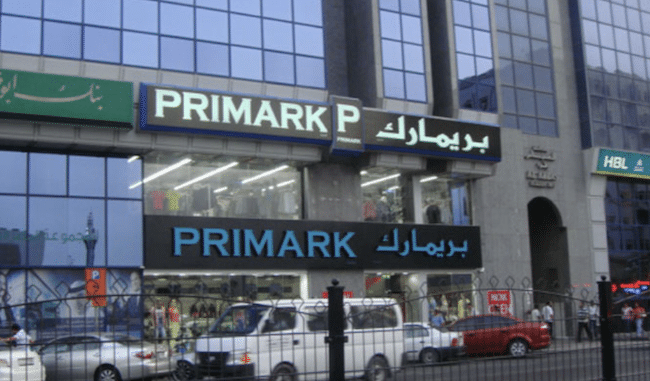
Dubai is no stranger to global retail buzz. When a major international brand opens its doors in the emirate, it often draws long queues, social media hype, and a wave of curiosity-driven shoppers. That was certainly the case with the arrival of Primark, the budget fashion giant known for its ultra-low prices and mass appeal across Europe.
But beneath the excitement, a different conversation has been gaining traction—one that reveals a surprising gap in Dubai’s fashion landscape. Many residents are asking: why isn’t Uniqlo in Dubai yet?
The Primark Buzz—And the Backlash
Primark’s entry into Dubai reflects a growing appetite for affordable fashion in a city historically dominated by luxury retail. For many shoppers, the brand offers an accessible way to refresh wardrobes without overspending.
However, not everyone is convinced by the hype.
Across online discussions, a clear divide is emerging. While some praise Primark’s pricing, others criticize its quality, describing it as short-lived or “disposable” fashion. For these consumers, affordability alone isn’t enough—they’re looking for durability and consistency.
That’s where Uniqlo comes in.
The Missing Brand Everyone Talks About
Unlike trend-driven retailers, Uniqlo has built its reputation on minimalist essentials and performance-driven fabrics. Its “LifeWear” philosophy focuses on clothing designed to last, adapt, and function in everyday life.
For many Dubai residents—especially expatriates—Uniqlo isn’t just another brand. It’s a staple.
Its absence is so noticeable that some shoppers actively plan their purchases around international travel. Others go even further.
The Philippines Connection: Shopping Across Borders
One of the most revealing trends is the growing reliance on Uniqlo stores in the Philippines.
Dubai residents with connections to Southeast Asia are increasingly ordering from Uniqlo Philippines and using freight forwarders to ship items into the UAE. In some cases, entire wardrobes are built this way.
Why the Philippines?
- Competitive pricing compared to other markets
- Wide product availability
- Frequent promotions and discounts
- Reliable stock of popular items like AIRism and Supima cotton
Even after paying shipping fees, many shoppers say the overall cost is still better than buying similar-quality clothing locally.
Some users report consolidating multiple orders into a single shipment to reduce costs, with delivery times as short as a few days. Others dedicate luggage space during trips to Southeast Asia just to bring back Uniqlo purchases.
This behavior highlights something important: demand for Uniqlo in Dubai isn’t hypothetical—it’s already translating into real spending, just outside the local market.
Why Uniqlo Resonates in Dubai
There are several reasons why Uniqlo’s appeal is particularly strong in the UAE:
1. Climate-Ready Clothing
Dubai’s extreme heat makes breathable, lightweight fabrics essential. Uniqlo’s AIRism line, designed for hot and humid conditions, is frequently mentioned as a must-have.
2. Longevity
Many customers report wearing Uniqlo items for years without noticeable wear and tear—something rarely associated with fast fashion.
3. Minimalist Style
In a city with diverse cultural backgrounds, neutral, versatile designs have broad appeal.
4. Consistent Value
While not the cheapest option, Uniqlo is often seen as offering better value over time due to durability.
So Why Isn’t Uniqlo Here Yet?
Despite strong demand, several factors may explain the brand’s absence:
Independent Expansion Strategy
Uniqlo typically prefers to operate its own stores rather than partner with regional franchise groups like Majid Al Futtaim or Alshaya Group. This approach gives the company more control but can slow market entry.
Market Perception
Dubai has long been associated with luxury shopping. Although this is changing, brands positioned around “premium basics” may not have been seen as a priority in the past.
Pricing Risks
There is concern that Uniqlo products could become significantly more expensive in the UAE due to operational costs. This has already happened with Muji, which many shoppers find overpriced compared to its home market.
A Shift in Consumer Priorities
Dubai’s retail landscape is evolving. Shoppers are becoming more selective, focusing on quality, comfort, and long-term value rather than just price or brand prestige.
This shift is reflected in growing interest in alternatives like Aritzia, as well as ongoing comparisons with Zara and H&M.
Consumers are asking smarter questions:
- How long will this last?
- Is the fabric suitable for the climate?
- Am I getting real value for money?
In many cases, Uniqlo is seen as the answer.
The Bigger Picture
The fact that Dubai residents are importing clothes from the Philippines—or waiting for international trips just to shop at Uniqlo—says a lot about unmet demand.
It’s not just about preference. It’s about a gap in the market.
Primark may have captured attention with its prices, but Uniqlo represents something different: a balance between affordability and quality that many shoppers feel is missing locally.
What Comes Next?
There’s no official confirmation that Uniqlo will enter the UAE market, but the signals are hard to ignore:
- Strong organic demand
- Proven willingness to spend (even internationally)
- A shifting retail environment
- Climate conditions that favor the brand’s products
If Uniqlo does eventually open in Dubai, it won’t just be another store launch—it will likely be one of the most anticipated retail arrivals in recent years.
Primark’s debut in Dubai marks an important moment for accessible fashion in the city. But it also highlights a deeper conversation about what consumers really want.
For many, the goal isn’t just cheaper clothing—it’s smarter clothing.
And until Uniqlo officially arrives, Dubai’s most dedicated fans will continue doing what they’ve already proven willing to do: go the extra mile—even across borders—to get it.