Every year, as temperatures rise across the UAE, something else quietly arrives with equal intensity: mango season.
In Dubai, this isn’t just about fruit—it’s about nostalgia, identity, and a near-obsessive pursuit of perfection. And this year, the conversation is louder than ever. Across online communities, residents are swapping tips, contacts, and even secret delivery networks, all chasing two legendary varieties: Alphonso mango and Banganapalli mango.
For many, nothing else comes close.
More Than a Fruit: A Cultural Staple
Dubai’s multicultural population plays a huge role in shaping its food trends, and mango season is a perfect example. For residents from India, Pakistan, and across South Asia, mangoes aren’t just seasonal produce—they’re deeply tied to childhood memories, family traditions, and regional pride.
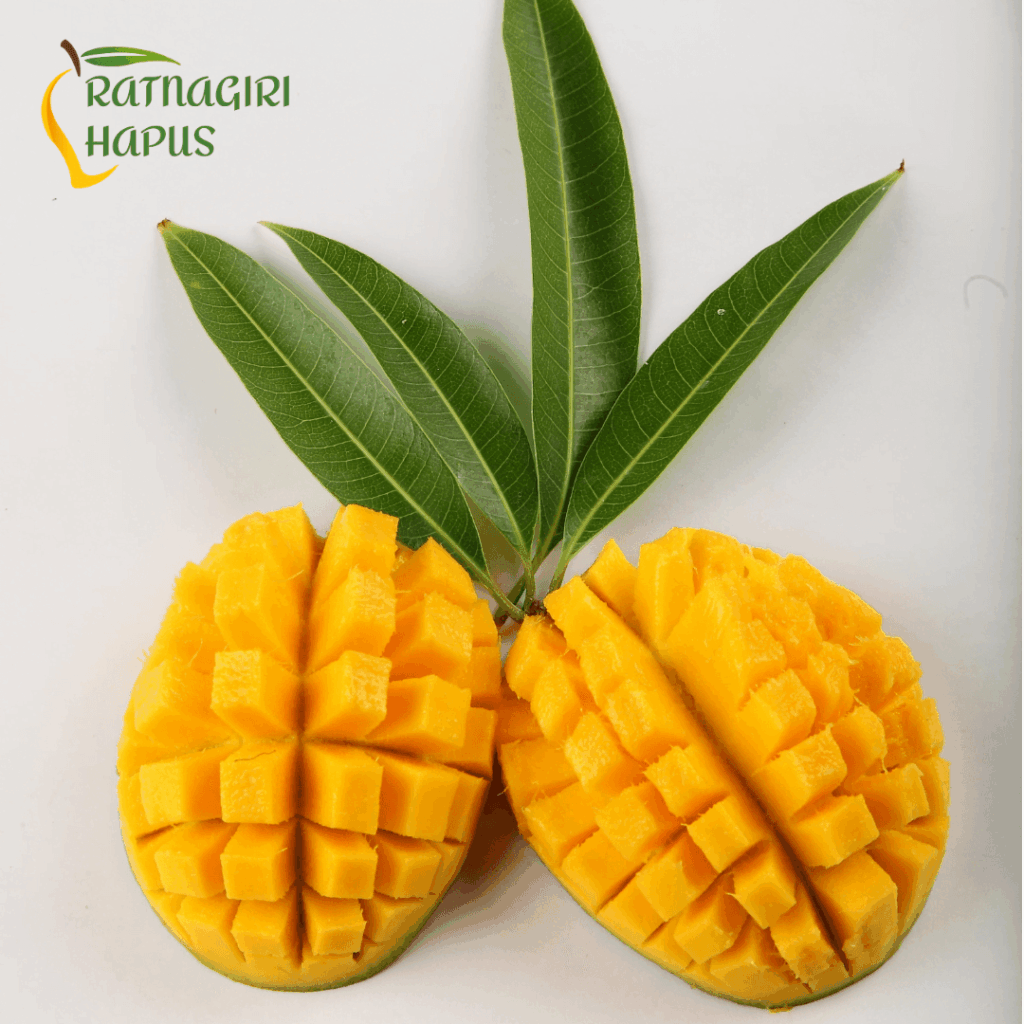
Varieties like Alphonso (often called Hapus) from western India and Banganapalli from Andhra Pradesh and Tamil Nadu are considered premium, each with its own flavor profile and loyal following.
- Alphonso: rich, creamy, intensely sweet
- Banganapalli: firm, aromatic, slightly tangy
Ask any mango enthusiast in Dubai, and they’ll likely have a strong opinion on which one reigns supreme.
The Great Mango Hunt in Dubai
Unlike in mango-producing countries, getting top-quality fruit in Dubai requires effort—and sometimes insider knowledge.
While supermarkets do stock imported mangoes, seasoned buyers often look elsewhere. The real action happens through a mix of traditional markets, specialty grocers, and informal networks.
Go-To Spots Across the City
Several locations consistently come up in conversations among mango lovers:
- Waterfront Market – A year-round hub for fresh produce, especially during peak mango season
- Ras Al Khor Fruit and Vegetable Market – Known for bulk deals and variety
- Pakistan Supermarket – Popular for South Asian fruit selections
- Al Adil Trading – A reliable source for Indian imports
These places offer a wide range of mangoes, but quality can vary depending on timing, shipment freshness, and origin.
The Rise of “Underground” Mango Networks
What makes Dubai’s mango scene particularly fascinating is the emergence of informal supply chains.
Residents are increasingly turning to:
- WhatsApp groups
- Facebook Marketplace sellers
- Telegram communities
- Word-of-mouth “aunty networks”
These channels often connect buyers directly with importers who fly mangoes in from India on a weekly basis. In some cases, the fruit arrives within days of harvest.
Specialty suppliers—like boutique fruit importers—have built loyal followings by offering curated boxes, complete with instructions on ripening and storage.
It’s not uncommon for buyers to pre-order entire boxes weeks in advance.
Premium Mangoes Come at a Price
Quality mangoes in Dubai don’t come cheap.
Depending on the source and variety, prices can range from:
- 50 to 100 AED per dozen for standard imports
- Higher for premium Alphonso batches
- Bulk discounts through direct suppliers
Yet for many residents, the cost is justified.
Compared to markets like Canada—where imported mangoes are often expensive and inconsistent—Dubai offers better access and variety, even if it requires a bit of effort.
Not Just Alphonso: Other Varieties Gaining Attention
While Alphonso and Banganapalli dominate the conversation, other mango types are also gaining popularity:
- Kesar mango – Known for its saffron-like aroma
- Badami mango – Often considered a more affordable alternative to Alphonso
- Egyptian mangoes – Widely available and appreciated for their sweetness
Each variety brings something different to the table, and many enthusiasts enjoy experimenting throughout the season.
The Science of Eating Mangoes (Yes, Really)
In Dubai’s heat, even eating mangoes comes with its own set of tips and traditions.
One widely shared recommendation is to soak mangoes in water for 15–30 minutes before consuming them. This practice is believed to:
- Reduce “heat” in the body
- Prevent mouth irritation or ulcers
- Improve overall digestion
While not scientifically definitive, it’s a common habit in many South Asian households—and one that’s being passed along in Dubai’s mango-loving communities.
From Luxury Cars to Local Legends
One of the more unusual stories circulating this season involves a supermarket owner reportedly delivering mangoes in a luxury sports car during the pandemic—a reminder of how creative (and competitive) the fruit business can get in Dubai.
It also reflects a broader truth: in this city, even something as simple as buying mangoes can turn into a premium experience.
Why Mango Season Feels So Urgent
Unlike other fruits available year-round, premium mango varieties have a short window.
The season typically peaks between April and July, with slight variations depending on the region of origin. Missing it means waiting another year.
This sense of urgency drives the intensity of the search. Residents track shipment arrivals, compare batches, and share real-time updates online.
For many, it’s a seasonal ritual.
A Reflection of Dubai Itself
Dubai’s mango obsession is about more than taste—it reflects the city’s unique identity.
Here, global supply chains meet deeply personal traditions. A fruit grown in India or Pakistan can travel thousands of kilometers and still carry emotional significance for someone living in the UAE.
It also highlights how Dubai’s residents shape the market. Demand isn’t just driven by retailers—it’s driven by communities who know exactly what they want.
The Bottom Line
This mango season, one thing is clear: Dubai’s residents aren’t settling.
They’re searching, comparing, importing, and sharing—doing whatever it takes to get their hands on the perfect Alphonso or Banganapalli.
And in a city known for its luxury and innovation, it’s refreshing to see that sometimes, the real passion lies in something simple.
A perfectly ripe mango. 🥭