Dubai is often described through its skyline—glass towers, engineered islands, and an ever-expanding map of ambition. Yet to understand how people actually live in the city, it helps to look at something quieter and more intimate: how residents and visitors unwind. Massage in Dubai is not a generic spa experience; it is shaped by neighbourhood rhythms, cultural expectations, and the particular pace of life in each district. From beachfront promenades to older trading quarters, the way massage is practised and experienced tells a grounded story about the city.
Coastal Districts: Where Massage Becomes Lifestyle
What distinguishes Dubai from many global wellness hubs is its density of contrasts. Within a short drive, you can move from a luxury resort spa on the coast to a compact, specialist clinic in an older district. In coastal areas like Jumeirah and Dubai Marina, massage is often framed as part of a lifestyle—sun, sea, and slow afternoons.
Here, treatment menus tend to be curated and branded, with signature oils, ambient music, and therapists trained to deliver a consistent, high-end experience. Clients often arrive after a morning swim or a gym session, seeking recovery and a sense of ritual rather than just physical relief.
Inner-City Neighbourhoods: Practical and Purpose-Driven Massage
Travel inland to areas such as Bur Dubai or Deira, and the tone shifts noticeably. Massage and spa becomes more functional, more immediate, and often more affordable. Small wellness centres cater to residents working long hours in retail, hospitality, and logistics.
The focus is on results—easing back pain, reducing muscle tension, and restoring mobility. Décor may be simple, but the expertise is often highly refined. Therapists frequently draw on techniques from across Asia, including Thai stretching and acupressure, delivered with precision and efficiency.
A City of Contrasts: Luxury and Everyday Wellness Coexist
This neighbourhood variation challenges a common assumption: that massage in Dubai is uniformly luxurious and expensive. In reality, it is a layered ecosystem.
A visitor staying near Palm Jumeirah may encounter only polished, resort-style spas and assume that defines the city. Meanwhile, a resident in Al Karama may rely on regular, affordable sessions as part of their weekly routine. Both experiences are valid—and together, they form the real picture of Dubai’s wellness culture.
Massage as Maintenance in a High-Pressure City
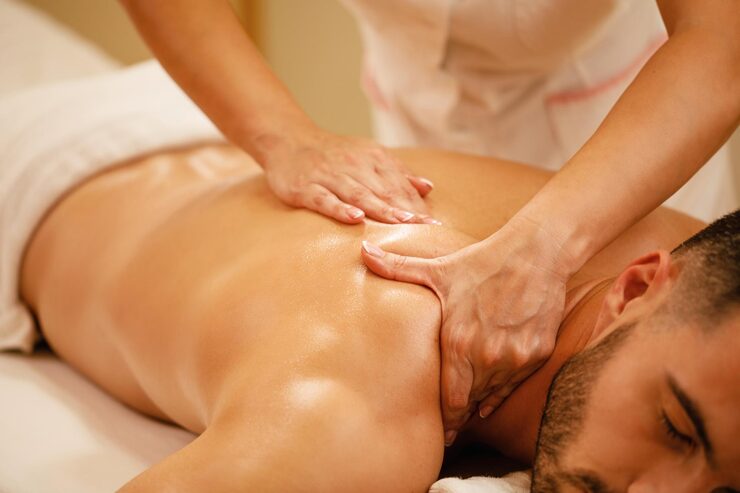
Dubai operates at a fast pace, with long working hours and high expectations across industries. For many professionals, massage is not an occasional indulgence but a practical tool for staying productive.
Midweek bookings are common, particularly for deep tissue and sports massage. These treatments target specific issues such as neck stiffness from desk work or lower back strain from long commutes. In this context, massage becomes part of a broader strategy for managing stress and maintaining physical resilience.
Global Techniques in a Multicultural Environment
Dubai’s international population brings a wide range of massage traditions into one city. Therapists from Thailand, the Philippines, India, and Europe contribute to a diverse and evolving wellness landscape.
This creates a unique environment where clients can explore different styles without travelling abroad. A single street in Al Barsha might offer Swedish massage, reflexology, and Thai therapy within a few steps of each other. The diversity reflects Dubai’s broader identity as a crossroads of cultures.
Standards, Regulation, and Professionalism
Despite its diversity, Dubai maintains clear standards for licensed wellness centres. Reputable establishments follow strict guidelines regarding hygiene, therapist qualifications, and customer safety.
This regulatory framework ensures a consistent baseline of quality. As a result, choosing a massage provider is less about avoiding risk and more about selecting the right environment—whether that is a quiet, private spa or a busy, efficient clinic.
Design and Atmosphere Across Districts
Neighbourhood identity extends to the design of massage spaces. In modern areas like Business Bay, interiors tend to be sleek and minimalist, reflecting the surrounding architecture. Lighting is subtle, and the atmosphere aligns with the corporate environment outside.
In older districts, spaces often feel warmer and more traditional, with personalised service and familiar clientele. Each setting responds to the expectations of its local community, offering different but equally valid experiences.
A City-Level Insight Through Local Experiences
For those exploring the UAE through a city-focused lens, platforms like https://uae.city highlight the importance of neighbourhood-level understanding. Massage provides an unexpected but revealing way to experience this.
It shows how people balance intensity with recovery, how global influences adapt to local contexts, and how each district develops its own approach to wellness.
Seasonal Rhythms and Changing Demand
Massage habits in Dubai also shift with the seasons. During cooler months, treatments are often combined with outdoor activities such as beach visits or evening walks.
In the peak of summer, indoor wellness becomes essential. Spas and clinics offer refuge from the heat, creating calm, controlled environments that prioritise comfort and relaxation. This seasonal variation influences both demand and service offerings.
More Than a Service: A Reflection of Dubai’s Rhythm
What makes massage in Dubai distinctive is its adaptability. It responds to the city’s speed while remaining deeply personal. It accommodates both indulgence and necessity—often within the same neighbourhood.
For visitors, it can be a memorable part of their stay. For residents, it becomes part of everyday life. In both cases, it offers insight into how Dubai functions beyond its iconic skyline.
To explore Dubai through its neighbourhoods is to discover these subtle differences. A single massage session can reveal more about a district than a quick tour. It slows the pace, connects you to a specific environment, and reflects the rhythm of the people who live there.